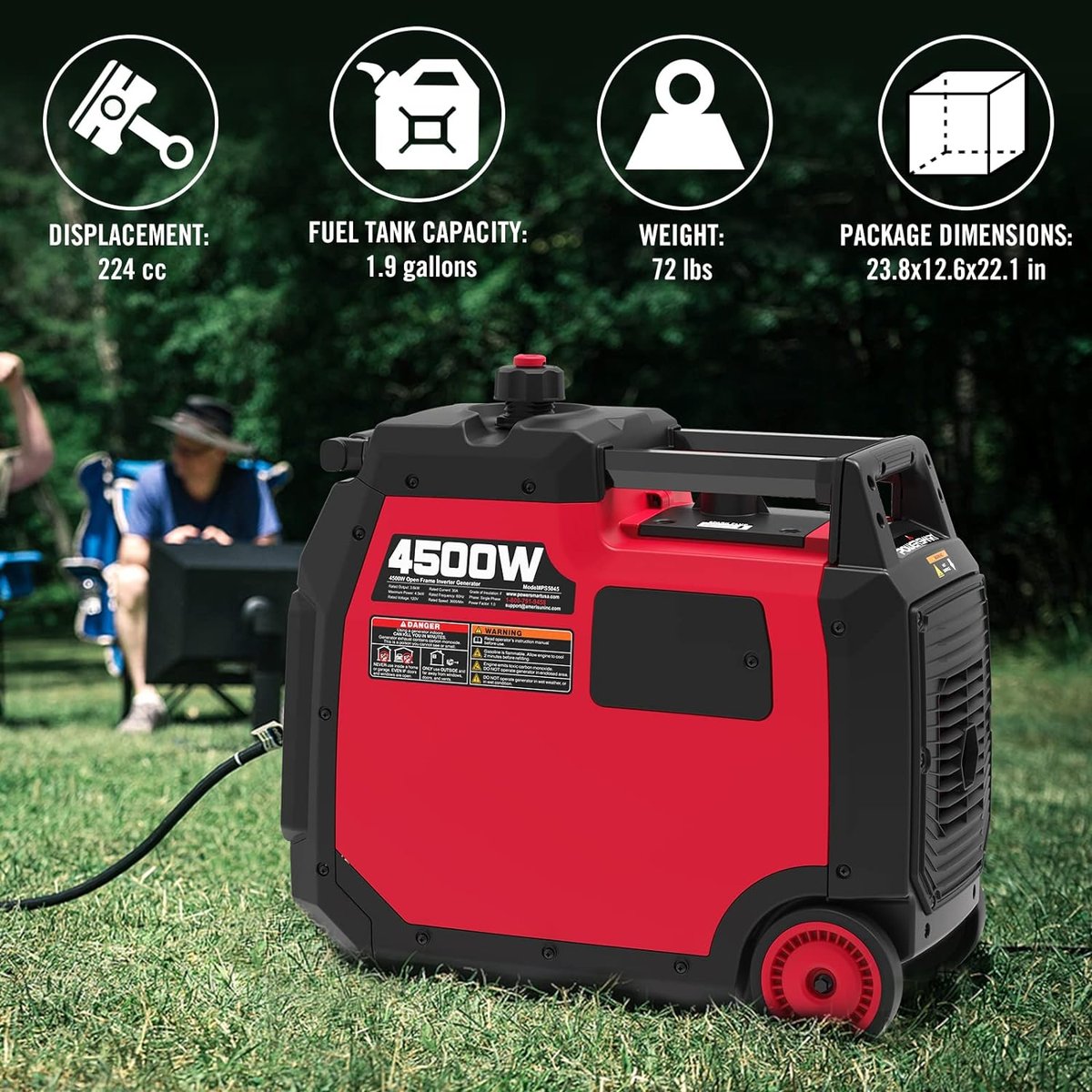
In a world where reliable power is non-negotiable, the thought of an outage or a remote location without electricity can be daunting. Enter the power smart generator – a modern solution designed to keep your lights on, your devices charged, and your essential appliances running, no matter the circumstances. But what exactly makes a generator "smart," and how do you choose the right one for your needs?
This comprehensive guide serves as your ultimate resource, demystifying the world of smart generators. We'll explore everything from essential features and power calculations to fuel types and safety considerations, ensuring you're well-equipped to make an informed decision. For a deeper dive into the core concepts, you'll want to begin your journey by Understanding smart generators.
What Makes a Generator Truly "Smart"?
Traditional generators have long provided backup power, but "smart" models elevate this functionality with advanced technology. These aren't just noisy engines; they are sophisticated power solutions built for efficiency, safety, and user-friendliness. Key to their appeal is their ability to deliver stable, clean power, which is critical for sensitive electronics like laptops, smartphones, and smart home devices, preventing potential damage.
Open frame inverter generators, for instance, offer a powerful blend of features. They provide stable power that’s safe for delicate electronics, often at a higher wattage output than traditional models, and typically at a more accessible price point. Their rugged design makes them suitable for everything from home backup to demanding job sites, while the open frame allows for easier cooling and maintenance. Beyond sheer power, smart generators also boast incredible Smart Generator Features & Benefits that enhance user experience and safety.
Sizing Your Power Smart Generator: The Right Watts for Your Needs
Choosing the correct generator starts with understanding your power requirements. This isn't just about picking the biggest number; it's about matching the generator's output to the specific appliances you plan to run. You'll need to consider both running watts (the power an appliance uses consistently) and starting watts (the temporary surge of power needed to start some motor-driven appliances).
To calculate your needs, sum the running watts of all appliances you anticipate using simultaneously. Then, identify the single appliance with the highest starting wattage and ensure your chosen generator's peak output can handle it. Always add a 10%-20% safety margin to prevent overloading and ensure optimal performance. Here’s a general guide to generator wattage capabilities:
- 1200W–1800W: Ideal for basic needs like lights, charging phones/laptops, a mini fridge, fan, or small TV.
- 2500W–3000W: Steps up to power a window AC unit, microwave, or rice cooker.
- 3600W–4800W: Capable of running a washing machine, circular saw, water pump, or multiple essential appliances concurrently.
- 4800W+: These robust units can handle a central AC compressor or provide significant whole-home backup.
For even greater power flexibility, you can connect two compatible generators in parallel. However, for safe operation, they must be the exact same model and power rating. When connected, their rated wattages add up, though expect approximately a 5% loss in total output. For example, two 1900W units would deliver about 3610W. To navigate these choices with confidence and find the perfect match, explore how to Choose the perfect smart generator.
Fueling Your Future: Exploring Generator Fuel Options
The type of fuel your generator uses significantly impacts its cost, convenience, and environmental footprint. Understanding the pros and cons of each is crucial for long-term satisfaction:
- Gasoline: This is the most common and energy-dense fuel, offering high power output. However, gasoline has storage and safety limitations, degrading over time and posing fire risks.
- Dual Fuel (Gas + Propane): A popular choice, dual-fuel generators offer the flexibility of running on either gasoline or propane. Propane stores much longer without degradation and burns cleaner, though it has a lower energy density, meaning you might use more to produce the same power.
- Tri-Fuel (Gas + Propane + Natural Gas): For ultimate versatility and convenience, tri-fuel generators can also connect to your home's natural gas line. This provides virtually unlimited runtime during an outage, but typically involves a higher initial cost and professional installation.
Powering Every Aspect of Your Life: From Home to Wilderness
Smart generators aren't just for emergencies; they're versatile tools designed to enhance various aspects of your life.
Dependable Power for Your Home & Emergencies
When the grid goes down, a smart generator becomes your lifeline. Whether it's keeping the refrigerator cold, medical equipment running, or simply providing light and communication, a reliable home backup system offers invaluable peace of mind. Knowing you have a power source that can safely run sensitive electronics and essential appliances is a significant comfort during uncertain times. Dive deeper into securing your home by reading our guide on Smart Generators for Home &.
Unlocking Outdoor Adventures & Job Site Efficiency
Beyond home use, the portability and efficiency of smart generators make them indispensable for outdoor enthusiasts and professionals alike. Imagine powering your RV during a wilderness excursion, keeping tools running on a remote job site, or lighting up a tailgate party with ease.
Take, for example, the PowerSmart 1200W Portable Inverter Generator. Weighing only 37.6 pounds and featuring a built-in handle, it’s designed for incredible portability. With 1200 starting watts and 900 running watts, it delivers clean power safe for sensitive equipment like phones and notebooks through its 120V household outlet and 12V DC output. Its 1.1-gallon tank provides 5 hours of operation at a 50% load, making it perfect for small household appliances such as blenders, coffee pots, fans, electric lamps, or a mini-fridge. It’s an ideal companion for RV trips, campsites, tailgate parties, or powering light tools at outdoor gatherings, though it's important to remember it doesn't support running watts over 900. To maximize your off-grid experiences and ensure your projects never lose momentum, discover how to Power your outdoor adventures. Smart generators.
Beyond Power: Prioritizing Safety and Clean Operation
Modern power smart generators aren't just about brute force; they're engineered with advanced safety and environmental considerations in mind. Two critical factors to look for are:
- EPA/CARB Certification: These certifications denote compliance with U.S. emission standards, with CARB (California Air Resources Board) being the stricter of the two. Generators with these certifications utilize cleaner technology, significantly reducing harmful emissions and contributing to better air quality.
- CO (Carbon Monoxide) Detection: This is a crucial safety feature that automatically shuts down the generator if dangerous levels of carbon monoxide are detected. CO is an odorless, colorless, and highly toxic gas, making this auto-shutdown feature a life-saving mechanism that prevents accidental poisoning. Always operate generators outdoors in well-ventilated areas, far from windows and doors.
Embracing a power smart generator means choosing reliability, efficiency, and peace of mind. As technology continues to advance, these essential tools will only become more integrated into how we secure our power needs, whether at home, work, or play. The future of reliable power is here, and it's smarter than ever.