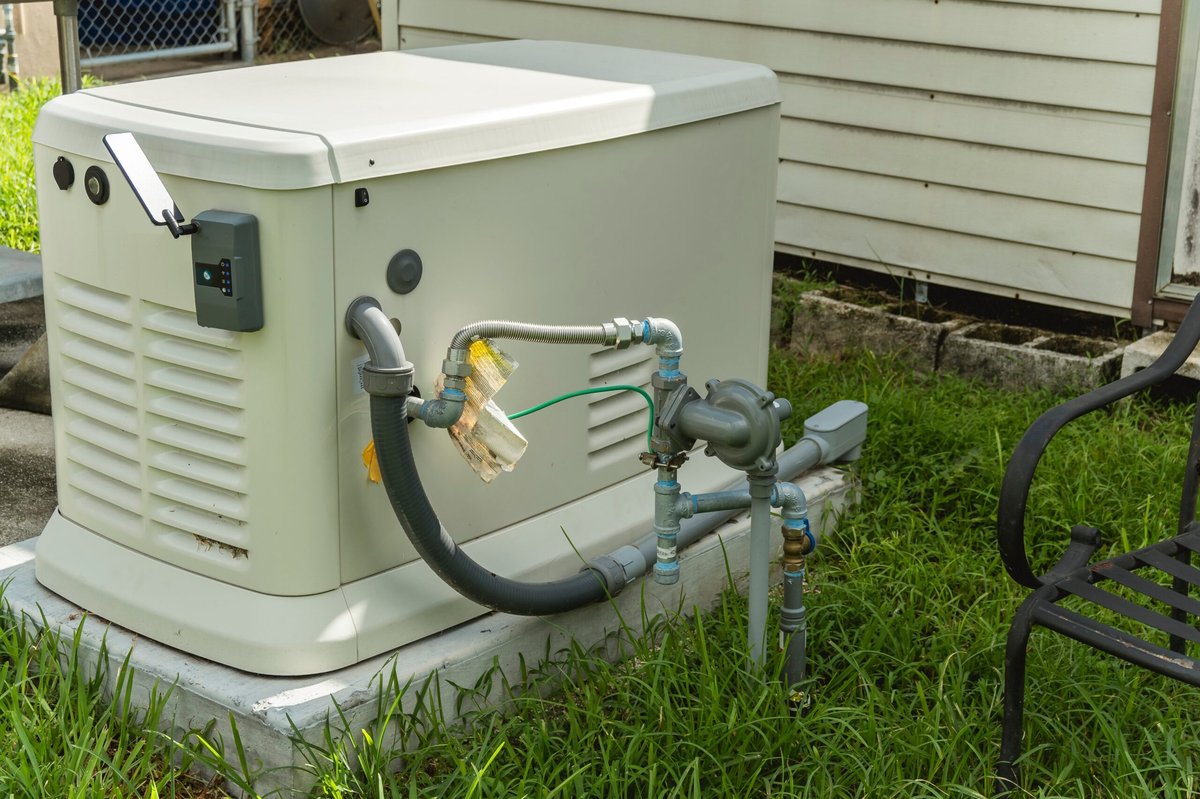
The hum of a reliable generator can be the most comforting sound during a power outage, turning a potential crisis into a mere inconvenience. But that dependable hum doesn't happen by accident. Just like any sophisticated machine, your smart generator requires consistent care. Mastering Smart Generator Maintenance & Safety is the key to ensuring your unit kicks into action every time the grid falters, extending its lifespan by two to three times, and ultimately saving you thousands of dollars in emergency repairs or premature replacement.
It’s not just about keeping the lights on; it’s about protecting your home, your family, and your investment. Manufacturers like Generac, Kohler, Briggs & Stratton, and Cummins all agree: proactive maintenance isn't optional—it's essential.
At a Glance: Keeping Your Generator in Peak Condition
- Boost Reliability: A well-maintained generator starts and runs without fail during an outage.
- Catch Issues Early: Spot small problems before they escalate into expensive major repairs.
- Save Money: Routine upkeep is far cheaper than reactive fixes or buying a new unit.
- Extend Lifespan: Reduce wear and tear, adding years to your generator's operational life.
- Enhance Safety: Prevent hazards like leaks, frayed wires, and carbon monoxide risks.
- Maintain Warranty: Most warranties mandate regular professional service; skipping it can void your coverage.
- Smart Systems Help: Leverage apps like Generac Mobile Link™ or Kohler OnCue Plus™ for alerts and reminders.
Why Bother? The Undeniable Benefits of a Well-Maintained Generator
Your home generator is more than just a backup power source; it's a silent guardian, ready to step in when the unexpected happens. But for it to perform its duties reliably, it needs a little TLC. Neglecting this crucial piece of equipment is like ignoring regular oil changes for your car—eventually, you'll be stranded, and the fix will be far more costly.
Think of it this way: a well-cared-for generator offers peace of mind. You know it will spring to life when needed, preventing food spoilage, keeping your home warm or cool, and powering essential medical devices. Beyond just reliability, regular maintenance directly translates to significant cost savings. Identifying minor issues, like a low oil level or a dirty air filter, costs pennies compared to replacing a seized engine. It also dramatically increases fuel efficiency and extends the unit's operational lifespan, making your initial investment truly pay off over the long haul.
Finally, and perhaps most critically, proper maintenance is a safety imperative. Technicians can spot potential fire hazards, electrical issues, or exhaust leaks that could lead to dangerous carbon monoxide exposure. Adhering to manufacturer guidelines also ensures your warranty remains valid, protecting you from unexpected repair bills should a covered component fail.
Your Monthly Generator Check-Up: Quick & Easy Tasks
Many homeowners are intimidated by generator maintenance, but many routine checks are surprisingly simple and take less than 20 minutes a month. These small efforts make a monumental difference in your generator's longevity and reliability.
The Core Monthly Routine
Dedicate about 15-20 minutes each month to these essential tasks:
- Run Test (Exercise Cycle): This is paramount. Operate your generator for 10-15 minutes. Many smart generators perform a weekly self-test, but a monthly manual run, especially under a partial load (by manually transferring utility power off via the transfer switch), confirms it can handle your home's demands. Listen for unusual noises and ensure smooth operation.
- Visual Inspection: Give your generator a thorough once-over. Look for any fluid leaks (oil, coolant, fuel), frayed wires, or signs of rodent damage. Check for debris like leaves, grass, or even animal nests that might obstruct airflow.
- Check Oil Level: Just like your car, your generator needs proper oil levels. Locate the dipstick, wipe it clean, reinsert it, and check the oil level against the recommended mark. Top up if necessary with the manufacturer-specified oil.
- Check Coolant (Liquid-Cooled Models): If you have a liquid-cooled unit, verify the coolant level in the overflow tank. Ensure it's between the "min" and "max" lines.
- Check Fuel Level/Supply: For propane or diesel models, ensure adequate fuel supply. For natural gas units, confirm the main fuel valve is fully open.
- Clear Debris: Keep the area around your generator clear of anything that could block vents or interfere with its operation. This includes leaves, grass clippings, snow, or even stored items. Remember the recommended 3-foot clearance.
- Check Battery: Inspect the battery terminals for cleanliness and tightness. Loose or corroded connections are a common culprit for starting issues.
Manufacturer-Specific Monthly Insights
While the core routine is universal, some manufacturers offer additional smart features or specific considerations:
- Generac: Leverage the Mobile Link™ app for reminders and to monitor your generator's status from anywhere. Most Guardian series models run a weekly 12-minute self-test, but a quick manual check is still wise. Also, glance at the controller screen for any active alerts (e.g., "Generac 1500" for low oil pressure).
- Kohler: Their OnCue Plus™ system can send you alerts directly. Pay special attention to keeping the air intake clean, particularly if your generator is in a dusty environment. The Decision-Maker controllers often display maintenance reminders, making it easy to stay on schedule.
- Briggs & Stratton: The InfoHub™ app is your friend for maintenance alerts. Models like the Fortress and Symphony II are designed with color-coded caps to make accessible maintenance points easy to identify.
- Cummins: The Connect Cloud platform allows for remote tracking and monitoring. QuietConnect™ series generators often feature an easy-access door, simplifying your monthly visual inspection. Always check the controller for "Maintenance Due" messages, as these are often pre-programmed.
The Annual Deep Dive: Why Professional Service is Non-Negotiable
While your monthly checks are critical, a deeper, more technical service is required annually. This isn't just about optimal performance; for most generators, it's a mandatory step to maintain your warranty coverage and ensure the unit’s complex systems are operating safely. This is where a qualified professional technician becomes indispensable.
What Your Annual Service Covers
A professional annual service goes far beyond what most homeowners can (or should) do themselves. Here’s a typical checklist:
- Oil & Filter Change: Using manufacturer-recommended oil grade and a new oil filter.
- Air Filter Replacement: Crucial for engine health and efficiency.
- Spark Plug Service: For gas models, this includes inspection, cleaning, or replacement. Diesel units may require injector checks.
- Battery Test & Service: A load test to assess battery health, cleaning terminals, and verifying the charging system.
- Fuel System Inspection: A detailed check of fuel lines, filters, and connections for leaks or wear.
- Cooling System Service: Inspecting the radiator, cleaning fins, and checking coolant condition and levels (for liquid-cooled units).
- Valve Adjustment: If necessary, adjusting engine valve clearances to maintain efficiency and performance.
- Transfer Switch Test: Verifying the automatic transfer switch (ATS) operates correctly and all connections are secure. This is essential for seamless power transitions.
- Control System Check: Ensuring all safety shutdowns and alert systems are functioning properly.
- Exhaust System Inspection: Checking for leaks, corrosion, and proper attachment to prevent dangerous carbon monoxide exposure.
Understanding Annual Service Costs
The cost of professional annual maintenance varies based on your generator's size, type, and your geographic location.
- Air-Cooled Home Generators (8-22kW): Typically range from $250 to $400 per year.
- Liquid-Cooled Home Generators (20-60kW): Expect to pay between $350 and $600 annually due to their greater complexity.
- DIY Parts Kits: If you’re capable of performing some tasks yourself, manufacturer-specific maintenance kits (e.g., Generac) can cost $80 to $200 for parts like oil, filters, and spark plugs.
- Pre-Paid Maintenance Plans: Many dealers offer multi-year plans, often saving you 15-20% overall. A 3-year plan might range from $700 to $1,200.
DIY vs. Professional: Drawing the Line
While there are many tasks you can confidently handle, it’s crucial to know your limits.
DIY Tasks (Save you a bit, empower you as an owner):
- Monthly visual inspections.
- Checking fluid levels (oil, coolant).
- Clearing debris from around the unit.
- Simple battery terminal cleaning (with proper safety).
- Running exercise tests.
- Basic air filter replacement (on most models).
- This could save you $100-$150 annually in minor service calls.
Professional Tasks (Non-negotiable for safety, warranty, and complex systems): - All electrical system checks and diagnostics.
- Fuel system service and adjustments.
- Comprehensive transfer switch testing and calibration.
- Advanced battery load testing.
- Engine tune-ups and valve adjustments.
- Any service specifically required by your warranty.
A typical professional service call takes 1-2 hours. Remember, most generator warranties require annual professional maintenance. Skipping this can, and likely will, void your coverage, leaving you vulnerable to costly repairs out-of-pocket. For a deeper understanding of how these powerful units integrate into your home, consider exploring a comprehensive Power Smart Generator guide.
Warranty: The Silent Partner in Maintenance
Your generator's warranty is your safety net, but it comes with responsibilities. Most manufacturers are explicit about what’s needed to keep your warranty valid:
- Generac: Often requires the use of Generac-branded oil and filters. They also recommend initial service within 6 months of installation.
- Kohler: Specifies certain oil types, like SN 5W-30 synthetic for many residential models, and explicitly states that warranty work must be performed by a certified technician.
- Briggs & Stratton: While they might allow third-party service, they strongly recommend authorized dealers and always require detailed maintenance records.
- Cummins: Places emphasis on regular exhaust system inspections and often requires service registration within their system.
Always consult your specific owner's manual for precise warranty requirements.
Seasonal Smarts: Adapting Your Maintenance Calendar
Your generator's needs can change with the seasons. A little foresight can prevent a big headache when extreme weather hits.
Bracing for Winter Outages
Cold weather puts extra strain on your generator. Prepare for winter:
- Battery Condition: A cold battery loses cranking power. Ensure your battery is fully charged and in good health.
- Block Heater: For liquid-cooled models, verify your block heater is working to ensure easy starts in freezing temperatures.
- Fuel/Additives: If you have a diesel generator, use winter-grade fuel or anti-gelling additives to prevent fuel line issues.
- Clearance: Maintain at least 3 feet of clearance around the generator, especially clearing snow and ice from vents and the exhaust.
- Antifreeze: For liquid-cooled units, check the antifreeze protection level—it should be rated for at least -20°F.
Prepping for Summer Demands
Summer heat and increased AC usage bring their own challenges:
- Clean Cooling Fins/Radiator: Ensure these are clear of any debris or dust to allow for maximum cooling efficiency. Overheating is a common issue in summer.
- Exhaust Inspection: Check for any nesting animals or insects that may have taken up residence in the exhaust system.
- Air Intake: Verify the air intake is completely clear.
- Cooling System: Consider increased inspections of your cooling system, especially if you live in a very hot climate or have a liquid-cooled unit.
- Load Capacity: Be mindful of your generator's load capacity, as air conditioning units draw significant power.
Finding Your Generator's Best Friend: Qualified Technicians
When it's time for professional service, choosing the right technician is paramount. Your generator is a complex piece of equipment, and you want someone who truly understands it.
Decoding Your Service Options
- Manufacturer-Authorized Dealer: These technicians are factory-trained, use OEM parts, and are guaranteed to maintain your warranty. The downside can be higher rates and potentially longer wait times during peak seasons.
- Independent Generator Service: Often more competitively priced and may offer faster response times. They might have experience with multiple brands, but always verify their certifications and whether their service will maintain your warranty.
- Maintenance Agreement: Many dealers offer these plans. Benefits include priority scheduling, predictable annual costs, and often discounted parts or labor. The con is a multi-year commitment, and sometimes they may include services you don't strictly need.
Smart Questions for Potential Technicians
Before committing, ask these questions:
- Are you factory-authorized for my generator brand (Generac, Kohler, etc.)?
- Will your service maintain my generator's warranty? (Request documentation.)
- Do you use OEM (Original Equipment Manufacturer) parts or aftermarket parts?
- Do you offer emergency service, and what's the typical response time?
- What exactly is included in your annual service package?
- What kind of documentation do you provide for my maintenance records?
- Do you offer multi-year maintenance agreements?
Tracking Your Investment: The Power of Records
Just as you'd keep a log for your car's service, meticulous records for your generator are indispensable. These records are vital for warranty claims, troubleshooting, and showcasing its value if you ever sell your home.
Maintain a clear paper or digital trail of:
- All service receipts from professional technicians.
- A personal maintenance log detailing your monthly DIY checks (dates, what you checked, any observations).
- Receipts for any parts you purchase and install yourself (e.g., air filters, oil).
Many manufacturers make this easier: - Generac: Mobile Link™
- Kohler: OnCue Plus™
- Briggs & Stratton: InfoHub™
- Cummins: Connect Cloud
These apps can track service history, send reminders, and store error codes, keeping all your important data in one place.
Smart Savings, Smarter Maintenance: Getting More for Less
Generator maintenance doesn't have to break the bank. With a strategic approach, you can save money without compromising reliability or safety.
Money-Saving Maintenance Tips:
- Purchase Multi-Year Plans: As mentioned, pre-paid maintenance plans can offer 15-20% savings over individual annual services.
- Schedule Off-Season: Try to schedule your annual professional service during slower periods (e.g., late spring or early fall, outside of peak storm seasons). Some dealers offer discounts.
- Perform Simple Monthly Checks Yourself: Your 15-minute monthly routine saves you from calling a technician for basic issues.
- DIY Air Filter Replacement: On most models, changing the air filter is straightforward and can save you $50-75 annually in labor costs.
- Join Loyalty Programs: Some dealers offer loyalty programs with discounts on parts or service.
- Keep it Clean: A clean generator prevents rodent infestations, debris buildup, and corrosion, all of which can lead to costlier repairs down the line.
What Not to Skip (The Real Money Savers):
While saving money is good, sacrificing critical maintenance is a false economy. These items are non-negotiable: - Annual Oil Changes: Prevents engine wear.
- Battery Testing: Ensures reliable startup.
- Transfer Switch Testing: Critical for automatic functionality.
- Professional Service (as required by warranty): Protects your coverage.
- Spark Plug Replacement (at recommended intervals): Ensures efficient combustion.
- Coolant Services (for liquid-cooled models): Prevents overheating and engine damage.
Skipping these can lead to major repairs often exceeding $1,000-$2,000, dwarfing the $250-$400 annual service cost. A proactive approach is always the most economical.
Warning! Your Generator's SOS Signals
Your generator is designed with sophisticated monitoring systems that can often tell you when something is wrong. Pay attention to these warning signs; they're not just nuisances—they indicate problems that need immediate attention.
When to Shut Down and Call for Help
- Unusual Noises: Grinding, knocking, persistent rattling, or squealing. These often point to serious mechanical issues. Action: Shut down the generator immediately and call for professional service.
- Fluid Leaks: Puddles of oil, coolant, or fuel under the unit. Leaks can indicate component failure, fire hazards, or environmental risks. Action: Turn off the generator and call for service within 24 hours. For fuel leaks, take immediate fire precautions.
- Frequent Shutdowns: The generator starts but then quickly shuts down, or struggles to maintain power. This could be a fuel issue, an overheating problem, or an electrical fault. Action: Check the control panel for error codes, then call service.
- Visible Smoke: Any smoke from the generator is a red flag. Blue smoke indicates oil burning, while black smoke suggests an improper fuel mixture. White smoke (especially for diesel) can indicate a cooling issue. Action: Shut down immediately and call for service.
- Failed Exercise Cycle: If your generator fails its weekly self-test or displays an error code during its automatic exercise, it's telling you something's wrong. Action: Check the controller for specific messages, then schedule service.
- Battery Alerts: A "low battery" warning or the generator fails to start due to battery issues. Action: Schedule service within 48 hours to test and potentially replace the battery.
Deciphering Common Error Codes
While a professional technician should always interpret complex codes, knowing some common ones can help you understand the issue:
- Generac 1500: Low Oil Pressure. Check your oil level and for leaks. It could also signal a faulty sensor.
- Generac 2800: Low Battery. Check connections; the battery may need charging or replacement.
- Kohler E-1: Engine Speed Error. Often indicates a throttle issue or governor problem; requires professional service.
- Kohler E-7: Overvoltage. A serious electrical fault, possibly related to the voltage regulator. Professional service is critical.
- Briggs & Stratton 1-4: Low Fuel Pressure. Verify your fuel supply, and check for a clogged fuel filter.
- Cummins 359: Maintenance Due. A straightforward reminder to schedule your next service appointment.
(For a full list of error codes, always consult your generator's owner's manual or the manufacturer's mobile app.)
To Plan or Not to Plan? Understanding Generator Service Agreements
Many generator dealers offer service agreements or maintenance plans. Deciding if one is right for you depends on your preferences and circumstances.
Typical Inclusions:
- Annual professional maintenance (oil, filters, spark plugs).
- Battery testing and service.
- Priority emergency service.
- Discounted parts and labor for non-warranty repairs.
- Average cost: $250-$500 per year, depending on generator size and coverage level.
It's Worth It If: - You prefer predictable costs and hate unexpected bills.
- You like a "set it and forget it" approach to maintenance.
- You live in an area with frequent power outages.
- You rely on your generator for essential medical equipment.
- You want priority scheduling during peak demand.
It's Not Worth It If: - You are comfortable performing all recommended DIY tasks and can manage scheduling annual service yourself.
- Your generator rarely runs, and outages are exceedingly rare in your area.
- You are planning to sell your home (and generator) in the near future.
Your Generator Maintenance Calendar: A Year-Round Roadmap
Staying organized is easy with a simple maintenance calendar. Here’s a general roadmap, but always cross-reference with your specific owner’s manual.
- Monthly:
- Visual inspection (leaks, debris, rodent damage).
- Check oil level.
- Verify automatic exercise cycle completion.
- Ensure 3-foot clearance.
- Check for unusual conditions.
- Every 6 Months:
- Check and clean battery terminals.
- Inspect air filter (replace if dirty).
- Check coolant level (liquid-cooled).
- Test manual transfer switch operation.
- Annually (Professional Service Recommended/Required):
- Schedule professional service (ideally before peak outage season).
- Complete oil and filter change.
- Replace air filter.
- Replace spark plugs (if due).
- Full system diagnostic.
- Test and service transfer switch.
- Every 2 Years:
- Replace battery (proactive replacement prevents failures).
- Check valve clearance (if necessary).
- Replace coolant (liquid-cooled).
- Inspect and clean fuel system components.
- Every 3-5 Years:
- Replace main fuel filter.
- Replace radiator hoses (liquid-cooled).
- Comprehensive fuel system cleaning.
- Transfer switch major service.
Scheduling Tip: Schedule annual service before typical outage seasons in your region (e.g., May-June for hurricane-prone areas, Sept-Oct for winter storm regions, early spring for wildfire areas). This ensures your generator is ready when you need it most.
Quick DIY Wins: Empowering Homeowners
Empower yourself with these step-by-step guides for common DIY tasks. Remember, safety first!
The Monthly Visual Inspection (10-15 minutes)
- Safety Check: Ensure your generator is in "Auto" or "Ready" mode (not running).
- Clearance: Walk around the unit, ensuring at least 3 feet of clear space on all sides. Remove any leaves, grass, snow, or obstructions.
- Critters: Look for signs of rodents, insects, or nests, especially in vents or exhaust.
- Leaks: Visually scan the ground beneath the generator and the engine itself for any drips or puddles of oil, coolant, or fuel.
- Connections: Briefly check for loose wires or damaged components.
- Levels: Check the oil level via the dipstick and coolant level (for liquid-cooled units) in the overflow tank.
- Vents: Ensure all air intake and exhaust vents are free from blockage.
- Status: Verify that the generator's control panel shows "Ready" or "Auto" and no active error messages.
Air Filter Check & Replacement (15-20 minutes, $20-50 filter)
- Safety First: Turn the generator completely OFF and disconnect any power sources (if applicable for your model's access).
- Locate Filter: Consult your owner's manual to find the air filter compartment. It's typically a simple panel held by clips or screws.
- Remove Panel: Carefully remove the cover panel.
- Remove Filter: Note the orientation of the old filter as you remove it.
- Inspect: Hold the old filter up to a light. If you can’t see light through it, or it looks visibly clogged with dirt and debris, it needs replacing.
- Install New Filter: Insert the new air filter, ensuring it's oriented correctly, mimicking how the old one sat.
- Replace Cover: Securely fasten the filter compartment cover.
- Restore: Return the generator to "Auto" mode.
Battery Terminal Cleaning (20-30 minutes)
- Safety First: Ensure the generator is OFF and in manual mode (or disconnected).
- Access: Open the battery access panel.
- Identify Terminals: Locate the positive (+) and negative (-) terminals on your battery.
- Inspect for Corrosion: Look for a white, powdery, or greenish buildup on the terminals or cables.
- Disconnect: Always disconnect the negative (-) cable first, then the positive (+) cable. Use a wrench to loosen the terminal nuts.
- Clean: Create a paste of baking soda and water. Apply it to the corroded areas with an old toothbrush. The paste will bubble as it neutralizes the acid. Scrub gently until corrosion is removed. You can also use a wire brush specifically designed for battery terminals.
- Rinse & Dry: Rinse the terminals thoroughly with clean water (avoid getting water into the battery itself). Dry completely with a clean rag.
- Protect: Apply a thin layer of petroleum jelly or a specialized battery terminal protectant to prevent future corrosion.
- Reconnect: Reconnect the positive (+) cable first, then the negative (-) cable. Ensure connections are tight and secure.
- Restore: Replace the access panel and return the generator to "Auto" mode.
Safety First, Always: Protecting Yourself and Your Home
Generator maintenance and operation demand utmost respect for safety. Ignoring precautions can lead to serious injury, carbon monoxide poisoning, or fire.
- Personal Protective Equipment (PPE): Always wear gloves, safety goggles, and appropriate workwear. Consider hearing protection when the generator is running.
- Lockout/Tagout: Before performing any maintenance, ensure the generator is disconnected from all power sources and cannot accidentally start. Follow manufacturer guidelines for proper lockout/tagout procedures.
- Ventilation: Generators produce carbon monoxide (CO), an odorless, colorless, and deadly gas. Always operate and service your generator in a well-ventilated outdoor area. Never run it indoors, in a garage, or in any confined space without proper, dedicated external ventilation. Install CO detectors in your home.
- Fuel Handling: Store fuel in approved containers away from heat sources and sparks. Refuel only when the generator is completely OFF and cooled down. Clean up any fuel spills immediately.
- Fire Safety: Keep a fire extinguisher (rated for electrical and fuel fires) nearby. Familiarize yourself with your generator's emergency shutdown procedures.
- Manufacturer Guidelines: Adhere strictly to your generator's owner's manual instructions for maintenance, part replacements, and general operation. Improper procedures can create significant risks and void your warranty.
Taking the Next Step to Uninterrupted Power
Your home generator is a powerful asset, but its true value lies in its reliability. By embracing the principles of smart generator maintenance and safety—from your quick monthly checks to the essential annual professional service—you're not just preserving a machine; you're securing your peace of mind.
Don't wait for the next storm to discover your generator has been neglected. Take proactive steps today: review your maintenance records, schedule that professional service, and commit to those simple monthly checks. Your future self, enjoying uninterrupted power, will thank you.