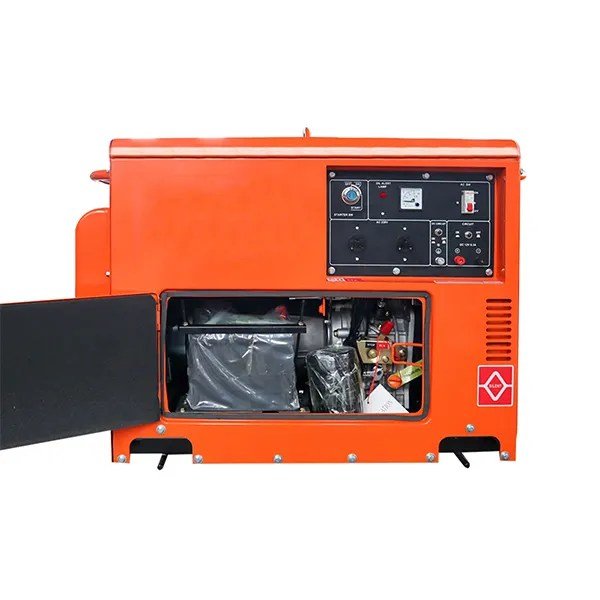
When the lights go out, whether it's a howling storm, a grid hiccup, or an unforeseen disruption, the silence can be deafening – and inconvenient. But what if that silence was quickly broken by the hum of reliable backup power, keeping your fridge cold, your lights on, and your Wi-Fi streaming? That’s precisely the promise of Smart Generators for Home & Emergency Use. These aren't just loud, clunky machines anymore; they're sophisticated solutions designed to integrate seamlessly into your life, ensuring peace of mind when the unexpected happens.
Modern generators have evolved dramatically, offering more than just raw power. Today's "smart" models provide enhanced safety, quieter operation, remote control, and even fuel flexibility, transforming them from a last resort into a proactive shield against power outages.
At a Glance: Smart Generator Essentials
- Diverse Power Solutions: From portable units for essential circuits to whole-home standby systems.
- Fuel Flexibility: Options like gasoline, propane, natural gas, or multi-fuel setups offer resilience.
- "Smart" Features: Remote monitoring, automatic transfer switches, CO sensors, and quieter operation are now standard for many models.
- Critical Safety: Outdoor operation is non-negotiable for fuel-based generators due to carbon monoxide risks.
- Investment in Peace of Mind: While an upfront cost, a reliable generator protects essentials, prevents losses, and offers invaluable security during emergencies.
Understanding Your Power Needs: The First Smart Step
Before diving into models and features, the smartest move you can make is to realistically assess your home's power requirements. Think of it as tailoring a suit – one size definitely doesn't fit all when it comes to keeping your crucial appliances running.
Calculating Your Wattage: Essential vs. Whole-Home
Start by making a list. What absolutely must stay on during an outage? For most homes, this includes refrigerators, freezers, some lighting, phone chargers, and perhaps a few small kitchen appliances. These are your 120-volt essentials. For a more robust setup, you might also consider a well pump, water heater, or even a furnace, which often require 240-volt power.
Here’s a general guideline to help you estimate:
- 3,000-5,000 watts: Enough for basic essentials like a refrigerator, some lights, and charging devices.
- 6,000-8,000 watts: Covers essentials plus a few more comforts, like heat, hot water, and several appliances.
- 10,000+ watts: Ideal for larger homes or those wanting to power most major appliances, including central air conditioning or electric dryers.
For each item on your list, note its "running wattage" (the steady power it uses) and its "starting wattage" (the brief surge of power some appliances, especially those with motors, need to kick on). Your generator must be able to handle the highest "starting wattage" of any single appliance, plus the total "running wattage" of everything else operating simultaneously. A good rule of thumb? Purchase a generator with approximately 20% more wattage than your calculated needs. This provides a safe margin for unexpected demands or future additions, ensuring your generator isn't constantly straining at its limit.
Choosing Your Generator's Fuel: Flexibility & Resilience
The fuel your generator runs on significantly impacts its convenience, cost, and availability during an emergency. Modern generators offer a range of options, each with its own advantages.
- Gasoline: This is the most common and readily available fuel type. However, gasoline has a relatively short storage life (about 3-6 months without stabilizers) and can be scarce during widespread outages.
- Propane/Diesel: These fuels offer a longer, more stable storage life than gasoline, often for years. Propane is especially popular for its clean burn and ease of storage in tanks of various sizes, though it typically produces slightly less power than gasoline for the same engine size. Diesel is known for its efficiency and durability but can be more expensive and harder to find.
- Natural Gas: If your home is already connected to a natural gas line, this option provides unmatched convenience. Your generator can run indefinitely as long as the gas supply is uninterrupted, eliminating the need for refueling. The trade-off is often a slight reduction in power output compared to propane or gasoline.
For ultimate flexibility, dual-fuel (gasoline and propane) or even tri-fuel (gasoline, propane, and natural gas) generators are gaining popularity. They allow you to switch fuel types based on availability or preference, an invaluable feature during a prolonged emergency when one fuel might be easier to acquire than another.
Portable Power vs. Permanent Peace of Mind: Standby vs. Portable
The fundamental choice you'll face is between a portable unit you manage manually and a permanently installed system that handles everything automatically.
Portable Generators: Power on the Go
Portable generators offer versatility and a lower upfront cost. They're excellent for recreational use, job sites, and providing temporary backup power to select circuits during an outage. Ranging from 1,000 to over 20,000 watts, these units are designed to be moved, though many models weighing over 100 pounds come with wheels and handles for easier transport.
Key considerations:
- Manual operation: You'll need to start them, plug in appliances (or connect to a transfer switch), and refuel them.
- Location: Must be operated outdoors, 5-20 feet away from any building, windows, or doors to prevent carbon monoxide buildup.
- Noise: Can be louder than standby or inverter models.
Standby Generators: Always On, Always Ready
Standby generators are the ultimate "set it and forget it" solution. Permanently installed outside your home, they automatically detect a power outage and switch on, often within seconds (some as fast as 23 seconds). They can power your entire home or specific critical circuits, providing a seamless transition back to normalcy.
Key considerations:
- Automatic operation: No manual intervention needed during an outage.
- Professional installation: Required for safe and compliant connection to your home's electrical system and fuel source.
- Cost: The most significant investment, but offers the highest level of convenience and protection.
- Size: Ranging from 10,000 to over 25,000 watts, these units are robust powerhouses.
Inverter Generators: Quiet, Clean Power
A subset of portable generators, inverter generators stand out for their ability to produce cleaner, more stable AC power. This makes them ideal for sensitive electronics like laptops, smartphones, and smart home devices, protecting them from power surges or fluctuations.
Key considerations:
- Quiet operation: Generally much quieter than conventional portable generators, often comparable to a normal conversation (around 60-70 dB).
- Fuel efficiency: They adjust engine speed to match the load, saving fuel and reducing emissions.
- Cost: Typically more expensive than standard portable generators of similar wattage.
Power Stations (Battery Banks): Silent, Indoor Power
For smaller needs or situations where fuel-based generators aren't feasible, power stations, or battery banks, are an excellent alternative. These units store pre-charged power from an AC outlet or solar panels and can be used indoors, producing no noise or carbon monoxide emissions.
Key considerations:
- Eco-friendly: No fumes, no fuel, no noise.
- Limited runtime: Their capacity is finite, requiring recharging.
- Indoor use: Safe for apartments, RVs, or for running small indoor appliances.
Key Features That Make a Generator "Smart"
Beyond simply generating electricity, modern smart generators offer a suite of features that enhance safety, convenience, and efficiency.
Remote Monitoring & Control: Power in Your Pocket
True smart generators embrace connectivity. Many models offer Wi-Fi compatibility, allowing you to monitor status, adjust settings, and receive maintenance alerts directly on your smartphone, even when you're away from home. Imagine knowing your generator kicked on and is powering your fridge while you're stuck at work. This capability is paramount for peace of mind, offering significant insights into your power usage and helping you learn about power smart generators and manage your energy more effectively.
Automatic Start & Transfer Switches: Seamless Transitions
For standby generators, an automatic transfer switch (ATS) is the brain of the operation. It detects power loss, signals the generator to start, and safely switches your home's power supply from the utility grid to the generator. When utility power returns, it reverses the process, allowing for completely hands-off operation. For portable generators, a manual transfer switch (MTS) can be installed by an electrician to safely connect the generator to specific home circuits, enabling 240-volt appliance operation without dangerous extension cords.
Noise Reduction: Keeping the Peace
No one wants a generator that sounds like a jet engine. Manufacturers are increasingly focusing on reducing noise levels. Inverter generators, in particular, are celebrated for their quiet operation, often registering around 60-70 dB – no louder than a normal conversation. For standby units, strategic placement and sound-dampening enclosures contribute to a more peaceful environment.
Fuel Efficiency & Extended Run Time: Less Hassle
Smart generators are designed to maximize fuel efficiency, offering longer run times on a single tank. Features like automatic idle control, which lowers engine speed when demand is low, conserve fuel and reduce operational costs during extended outages. Look for models that boast long run times at moderate loads to minimize those middle-of-the-night refueling trips.
Safety First: CO/CO2 Sensors & GFCI Outlets
Safety is paramount. Modern generators often include vital features like:
- Carbon Monoxide (CO/CO2) Detectors: Crucial sensors that automatically shut down the generator if dangerous levels of exhaust gases are detected, preventing potentially deadly carbon monoxide poisoning.
- Automatic Low Oil Shut-off: Protects the engine from damage by turning the unit off if oil levels drop too low.
- GFCI Outlets: Ground-Fault Circuit Interrupter outlets provide an extra layer of protection against electric shock, especially important when operating in damp conditions.
- Circuit Protection: Built-in breakers protect the generator and your appliances from overloads.
Cold Start Technology: Reliable Ignition
For those in colder climates, "Cold Start Technology" ensures your generator fires up reliably even in freezing temperatures, a crucial feature when you need power most.
Spotlight on Top Smart Generators for Your Home
Based on robust performance, advanced features, and user feedback, here are some of the standout smart generators on the market, categorized by their primary use case.
For Robust Whole-Home Backup
These generators are powerhouses, designed to keep your entire household running smoothly during extended outages.
- Generac 7291 26kW Home Standby Generator / Generac 22kW Standby Generator: A true champion for whole-home protection. The 26,000-watt (or 22kW for homes up to ~2,500 sq ft) unit seamlessly integrates with a 200-amp transfer switch. Its Wi-Fi capabilities allow for remote monitoring and control, delivering status and maintenance alerts straight to your phone. It can automatically switch to backup power in as little as 23 seconds, and comes with a 5-year warranty and 24/7 customer service, offering unparalleled peace of mind.
- Generac 13,000 watts Standby Generator for Small Homes: An excellent standby option specifically tailored for smaller residences. This 13,000-watt unit (11,500 watts on natural gas) includes a 100-amp automatic transfer switch. It boasts the same rapid 23-second switchover and a robust seven-year warranty covering parts, labor, and travel. Its automatic weekly power checks at a low RPM ensure it's always ready.
For Versatile & Powerful Portability
These portable giants offer significant wattage without being permanently fixed, perfect for larger portable needs or powering most critical circuits in a home via a transfer switch.
- Westinghouse 12500 Watt Dual Fuel Home Backup Portable Generator / WGen9500DF: This beast offers 12,500 peak watts and 9,500 running watts, fueled by either gasoline or propane. Features like automatic low oil shutdown, GFCI outlets, a remote start key fob, and push-button electric start make it exceptionally user-friendly. Its 30- and 50-amp outputs support 120- and 240-volt circuits, making it ideal for connecting to a transfer switch. With up to 12 hours run time on a 6.6-gallon gas tank and a noise level of 74 dB, it's a dependable choice for substantial home backup.
- DuroMax XP13000EH Dual Fuel Generator / XP11000iH Dual-Fuel Inverter Generator: A robust and versatile contender. The XP13000EH (non-inverter) features a 500cc OHV engine, electric start, CO sensors, and GFCI outlets. The XP11000iH inverter model provides cleaner power, operates significantly quieter at 61 dB (like a dishwasher) especially on propane, and includes remote start, an integrated battery tender, and an onboard display for critical metrics. Though heavy, wheels and handles, plus often arriving assembled, aid portability. It delivers excellent performance, versatility, and advanced features for its cost.
- Generac GP9500E: This model offers an outstanding blend of capability, quality, and durability at a very reasonable price. With 9,500W running capacity, it's a tri-fuel powerhouse (gas, propane, natural gas), providing immense versatility. Its large 7.5-gallon gas tank ensures long run times, and it includes essential safety features like low oil and CO2 shutdown. While heavy, it's built sturdy with wheels and handles for movement.
- Harbor Freight Predator 9,500: A powerful and notably quiet large inverter generator. With 9,500 watts, it can handle critical circuits in a modest-sized home. It features four wheels and a sturdy, fold-out handle for easier movement, and its quiet operation allows for conversation nearby. It includes two 120-volt/20-amp and one 240-volt/30-amp twist lock outlets with necessary adapters.
For Quiet & Clean Power (Inverter Models)
These generators are perfect for sensitive electronics, camping, or any situation where noise is a concern.
- Champion Power Equipment 4500-Watt Inverter Generator / Champion 4,750-watt generator: This dual-fuel (gasoline/propane) inverter generator operates at a remarkably quiet 61 dBA – no louder than a normal conversation. It provides clean power for sensitive electronics, can run 3-4 critical 120-volt circuits, and features electric start and Cold Start Technology. With up to 14 hours run time on gasoline, it offers portable flexibility and efficient, reliable power around $600. Note, it lacks 240-volt outlets.
- Pulsar 7,250-Watt Dual-Fuel Inverter Generator: Offering robust capacity with 7,250 watts, this dual-fuel inverter produces exceptionally clean power (claimed Total Harmonic Distortion < 3% and stable frequency). It's easy to assemble and prep, often ready in about 15 minutes. This unit offers great value for its specifications and features, especially for homes with numerous sensitive electronics.
For Reliable & Affordable Emergency Power
For those seeking a dependable solution without breaking the bank, these models hit the sweet spot.
- WEN DF475T Dual Fuel Portable Generator: A versatile, reliable, and affordable emergency generator for home use. It runs on both gasoline and propane, features an electric start, and its portability is enhanced by an included wheel and handle kit, making it a solid choice for straightforward backup.
Beyond the Purchase: Installation, Maintenance & Critical Safety
Owning a generator is more than just buying the hardware; it’s about proper installation, diligent maintenance, and strict adherence to safety protocols.
Professional Installation: A Non-Negotiable Step
For any generator intended to power home circuits, especially standby units and those connected via a transfer switch, professional installation is highly recommended. Electricians ensure that your generator is compliant with local regulations and safety standards. Improper installation can lead to severe consequences, including equipment damage, fire, electrocution, or deadly carbon monoxide poisoning. Don't cut corners here.
Routine Maintenance for Longevity
Consistent maintenance is the secret to a reliable generator. Think of it as caring for a small car:
- Regular Oil Changes: Follow manufacturer recommendations.
- Battery Checks: Ensure the starting battery is charged and corrosion-free.
- Fuel System Inspections: Check for leaks or blockages.
- Air Filter Cleaning/Replacement: A clean filter means efficient operation.
- Spark Plug Checks: Replace as needed.
- Monthly Exercise: Run your generator under a light load for 15-30 minutes each month. This lubricates parts, keeps the battery charged, and ensures it's ready when you need it most.
Safety Protocols You Can't Ignore
These rules are critical for protecting your family and your home:
- Outdoor Operation Only: ALL fuel-based generators MUST be placed outdoors, 5-20 feet away from windows, doors, and vents, with the exhaust directed away from the house. NEVER operate a generator indoors, in a garage, or under a carport, even with the door open. Carbon monoxide is odorless, colorless, and deadly.
- Proper Cords: Use only heavy-duty, outdoor-rated power cords of the correct gauge for the load you're powering. Flimsy cords can overheat and cause fires.
- Stay Dry & Grounded: Keep your generator dry to prevent electrical hazards. Ensure it is properly grounded according to manufacturer instructions.
- Refuel Safely: Always turn off and allow the generator to cool before refueling. Spilled fuel on a hot engine can ignite.
- Avoid Overloading: Signs of an overloaded generator include dimming/flickering lights, straining noises, or appliances tripping off. Immediately reduce the load or shut down the generator to prevent overheating, damage, or fire.
Continuous Operation: Knowing Your Limits
Portable and standby generators can often run continuously for extended periods, as long as they are fueled and operating within their capacity. However, manufacturers typically recommend a 30-minute rest after 24+ hours of continuous use to allow the unit to cool down and prevent wear. Power stations, being battery-based, often have the advantage of charging while in use.
Investing in Peace of Mind: Costs vs. Benefits
The upfront cost of a smart generator, especially a standby unit with professional installation, can be substantial. However, framing it purely as an expense misses the significant long-term benefits and value it brings.
Initial Investment vs. Long-Term Value
While you might spend anywhere from a few hundred dollars for a basic portable generator to tens of thousands for a whole-home standby system, consider what you're protecting:
- Enhanced Safety & Health: For families with medical equipment, critical heating/cooling needs, or simply reliable lighting, a generator can be life-saving.
- Convenience & Comfort: Avoiding spoiled food (which can cost hundreds), hotel stays, or simply being able to work and live normally during an outage brings immense value.
- Economic Savings: Preventing burst pipes in freezing temperatures, avoiding data loss from computer shutdowns, and keeping businesses operational directly translates to savings. Some home insurance providers may even offer reduced premiums for homes with standby generators.
- Property Protection: During a blackout, your sump pump might fail, leading to basement flooding. Your security system could go offline. A generator safeguards against these risks.
Fuel Costs Over Time
Your choice of fuel type directly impacts ongoing operational costs. While gasoline might seem cheaper per gallon, factors like its shorter shelf life, potential scarcity during outages, and typical consumption rates can make it more expensive in the long run. Propane and natural gas often provide greater efficiency, longer shelf life (for propane), and more stable pricing, leading to long-term savings and reduced stress during emergencies.
The Future of Home Power: Boosting Energy Resilience
The concept of a "smart" generator extends beyond basic functionality, moving towards greater energy independence and seamless integration with modern homes.
Integrating with Renewable Energy Systems
The ultimate goal for many is energy resilience. Combining smart generators with renewable energy sources like solar panels or wind turbines creates a powerful hybrid system. The generator can supplement the renewable sources during periods of low production, extend fuel life, and significantly reduce your carbon footprint. Automated systems intelligently manage the transition between sources, ensuring optimal power delivery.
Smart Generator Features in Depth
As technology advances, expect even more sophisticated features. Remote monitoring and control will become standard, with apps offering predictive maintenance, fuel consumption analytics, and smart scheduling. Imagine your generator automatically performing self-checks, ordering its own parts, or even communicating with your smart home system to prioritize essential loads.
Addressing Noise and Space
Modern generators are designed to be more compact, but noise remains a concern for many. Manufacturers are innovating with advanced muffling systems and fully soundproof enclosures, which can significantly reduce operational noise, allowing you to maintain peace in residential environments without disturbing neighbors.
Fuel Management & Storage
Strategic planning for fuel storage is crucial for extended outages. Diversifying with multi-fuel generators provides unparalleled adaptability. For gasoline, fuel stabilizers are essential. For propane, having multiple tanks on hand or a large, dedicated tank ensures readiness. Natural gas connections, while requiring infrastructure, offer the most uninterrupted fuel supply.
Keeping Your Lights On: Your Next Steps
Choosing the right smart generator is a significant decision, one that provides comfort, safety, and security when you need it most. Start by methodically assessing your power needs, weighing the pros and cons of portable versus standby, and considering the fuel options that best suit your lifestyle and location.
Remember to prioritize safety features, understand the importance of professional installation, and commit to regular maintenance. With the right smart generator, you're not just buying a piece of equipment; you're investing in peace of mind, ensuring that when the power goes out, your life stays on.